
Certified installer comparisons
Side-by-side reviews of vetted Canadian installers, with verified ratings and warranty terms.

Canadian solar investment & savings. Unbiased.
Compare certified Canadian solar installers, rebates and financing side by side. Primecrustca turns your roof size, postal code and hydro bill into province-specific savings — with no sales pressure and no pay-for-rank ratings.
Average annual savings by province
Ontario
$2,400+
British Columbia
$1,800+
Alberta
$2,100+
Quebec
$1,600+
Nova Scotia
$2,200+
Figures are illustrative estimates and vary by roof, location and energy use.
Estimate your savingsWhy independent
Primecrustca is funded by affiliate commissions from featured partners — but that money never buys a better score. Ratings, comparisons and safety warnings stay editorially neutral, so the numbers you see are the numbers that matter. We exist to make solar transparent before anyone signs an installation contract.
Every listing is checked against certification records and real customer feedback before it appears.
Partners cannot purchase a higher rating. Placement is disclosed; editorial scores are earned.
We show how each score is built — efficiency, warranty, cost and verified reviews — in plain language.

What we offer
Side-by-side reviews of vetted Canadian installers, with verified ratings and warranty terms.
Plain-language breakdowns of federal grants and provincial rebates, updated by region.
Compare cash, loans, leases and PACE with realistic payback ranges for Canadian homes.
Enter roof size, postal code and your hydro bill to get a province-specific payback estimate.
Rebates & incentives
From the federal Canada Greener Homes Grant to province-specific rebates, here is where each program stands today.
Home Renovation Savings + Greener Homes
Provincial rebates on panels and storage stack with federal interest-free loans of up to $40,000.
Learn moreCleanBC Home Efficiency
CleanBC rebates pair with net metering through BC Hydro and the federal Greener Homes program.
Learn moreMunicipal solar programs
City-level incentives and strong solar irradiance offset the wait for renewed provincial funding.
Learn moreHydro-Québec LogisVert
LogisVert incentives and low hydro rates reward battery-paired systems for backup and self-use.
Learn moreSaskPower Net Metering
Net metering credits remain available while a new rebate intake is expected to reopen soon.
Learn moreEfficiency NS & regional rebates
Nova Scotia, New Brunswick and PEI offer efficiency rebates that combine with the federal grant.
Learn moreFinancing & ROI
Bars show the typical years to break even for a Canadian rooftop system. Shorter is faster.
7–9 yr payback
Highest upfront cost, but no interest and the fastest return — you own every kilowatt-hour from day one.
9–12 yr payback
Little or no money down. Federal interest-free options and green loans keep monthly costs predictable.
$0 upfront
No payback because you never buy the system — you pay for the power and save from month one.
10–13 yr payback
Repaid through your property tax bill and tied to the home, so the balance can transfer on sale.
Panel comparison
Three panel technologies measured on the metrics that drive your return. Longer bars mean a stronger result for that metric.
Verified reviews
Independent ratings drawn from verified installations across Canada. Scores are earned, never purchased.
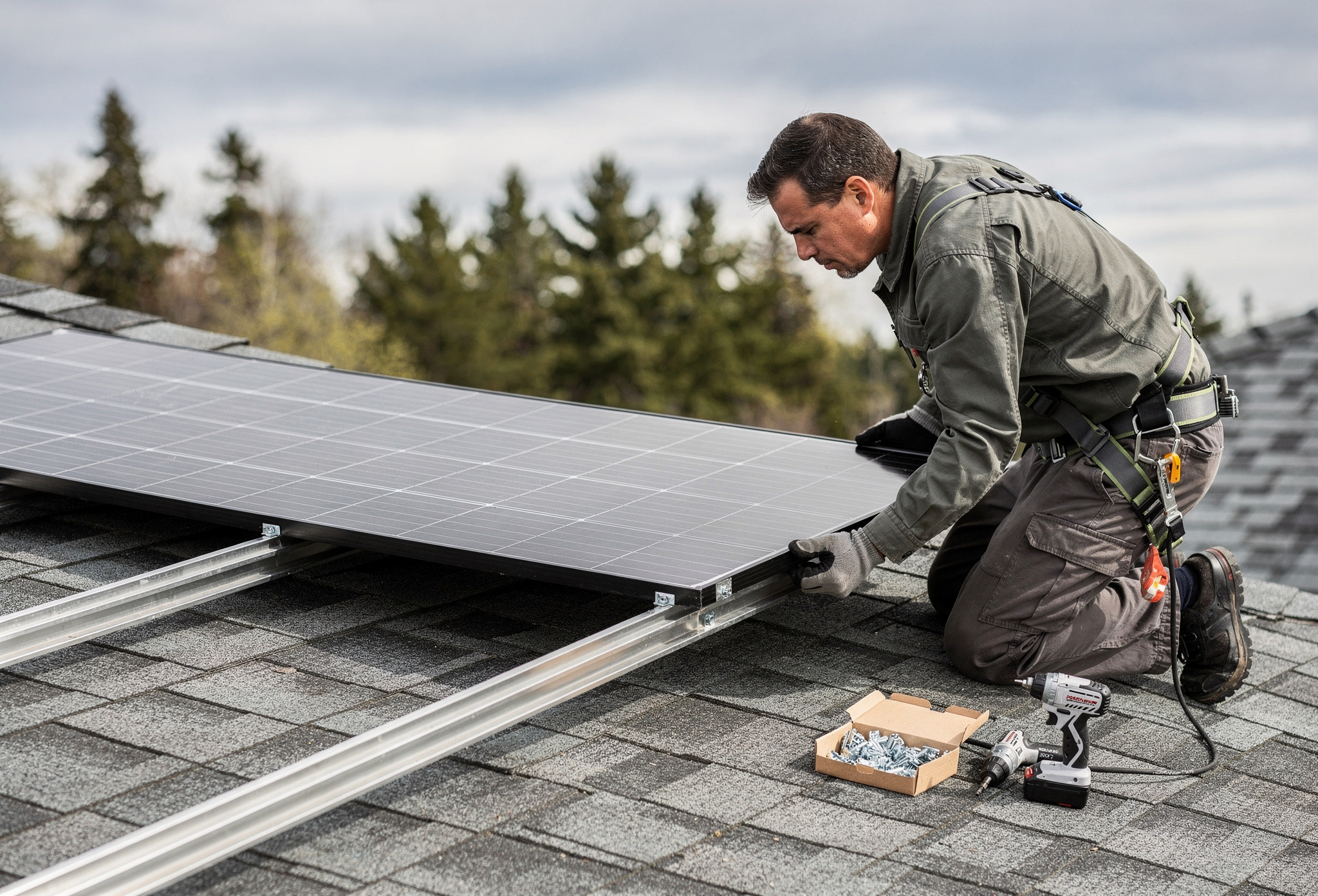
Pros: Fast installs, premium monocrystalline panels and a strong 25-year workmanship warranty.
Cons: Premium pricing and booking lead times during peak summer months.
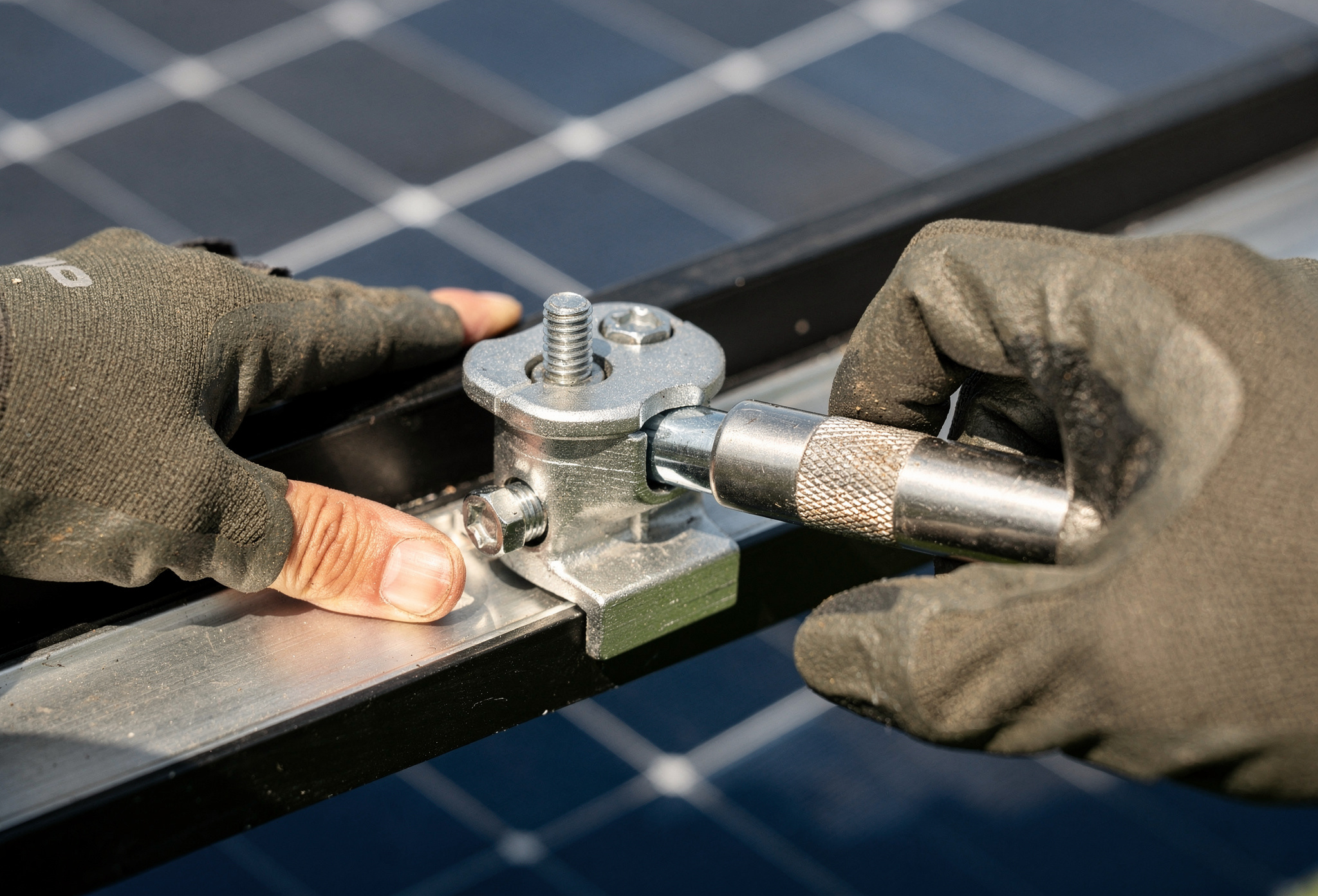
Pros: Flexible financing, transparent quotes and responsive after-sales support.
Cons: Coverage is thinner in remote and rural service areas.

Pros: Top-tier equipment, meticulous workmanship and detailed production reporting.
Cons: Longer lead times because of high demand for their crews.
Savings estimator
Enter a few details and we will estimate your annual savings, a recommended system size and your payback period. Figures are illustrative and vary by property.
Please enter a province, panel type, a roof size and a monthly hydro bill greater than zero.
Estimated annual savings
$0
Recommended system
0 kW
Estimated payback
0 yrs
0
Installers reviewed
0
Provinces covered
0
Avg. payback (years)
$0
Rebate dollars tracked
How it works
Share your province, roof size and hydro bill to set the baseline for your estimate.
Review certified installers side by side with ratings, warranties and panel specs.
See which grants you qualify for and which payment route gives the fastest payback.
Connect directly with certified installers to confirm your numbers and book a site visit.
Seasonal insights
Practical, season-by-season reading on how rooftop solar actually performs across Canada.
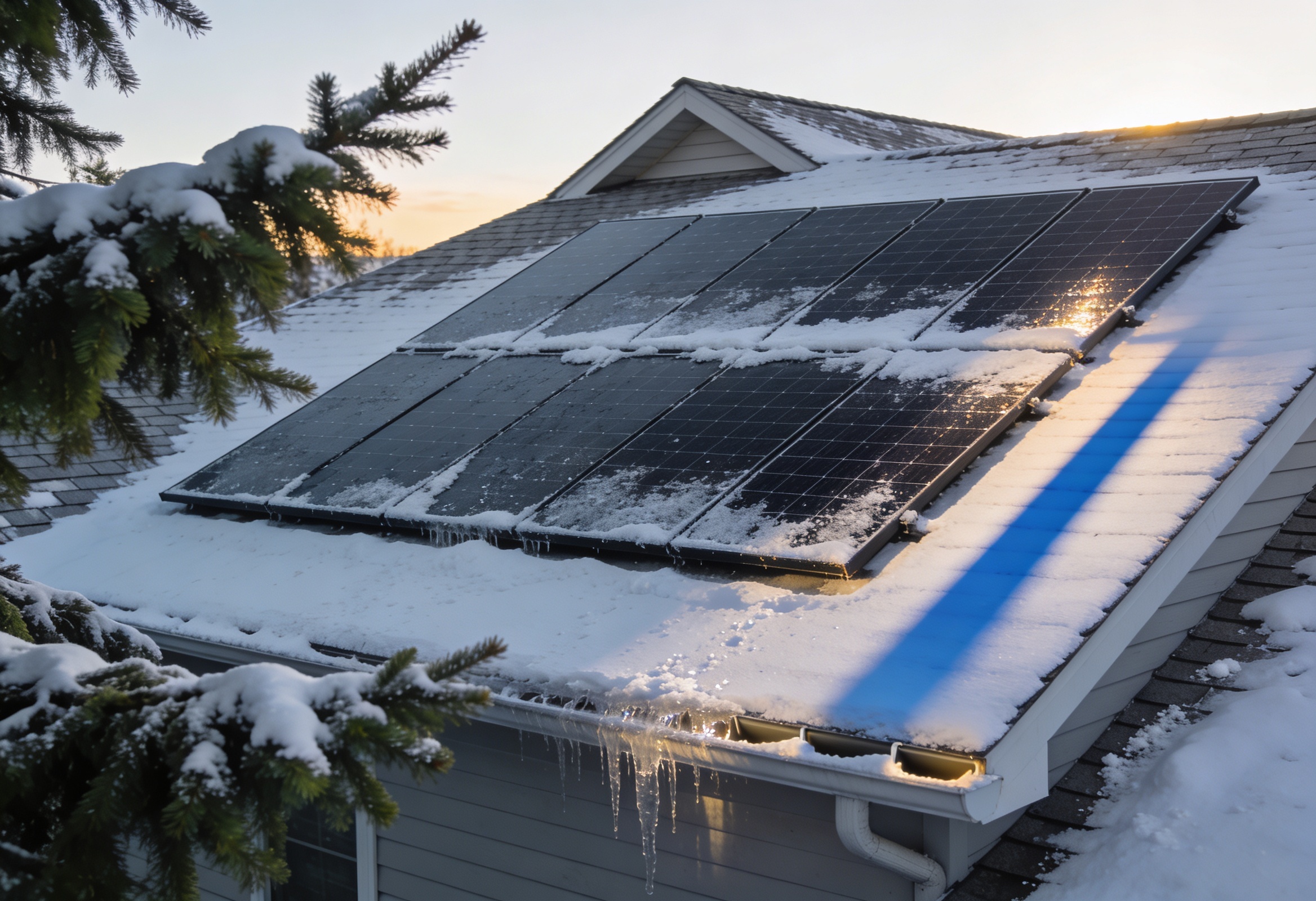
Winter performance
Yes — and often better than homeowners expect. Photovoltaic cells convert light, not heat, so the cold, bright days that follow a snowfall can be among the most productive of the year. Panels actually operate more efficiently at lower temperatures, which partly offsets the shorter daylight hours of December and January.
Snow is the real variable. Most rooftop arrays are mounted at an angle, and their smooth tempered glass sheds snow quickly once the sun hits it; a light dusting usually slides off within hours. Production dips during heavy accumulation but rebounds fast, and annual yield models for Ontario, Quebec and the Prairies already account for winter losses. Over a full year, a well-sited Canadian system still delivers the payback figures our estimator projects, because strong spring and summer output more than compensates for the quiet weeks of deep winter.
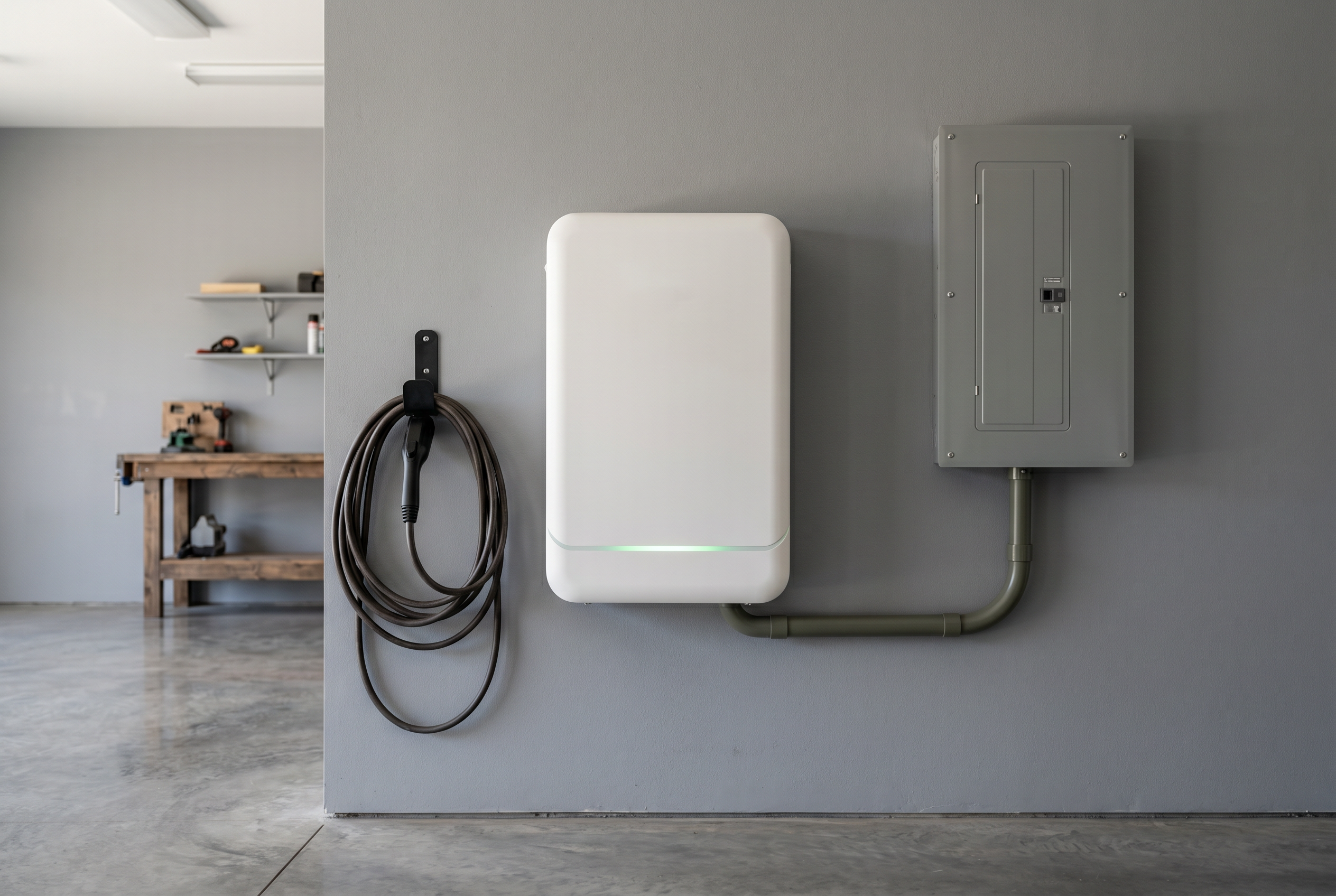
Battery storage
A battery turns daytime sunshine into round-the-clock power. Instead of exporting surplus production to the grid for a credit, you store it and draw on it in the evening, when household demand peaks and, in some provinces, electricity costs the most.
For Canadian homeowners, storage delivers two distinct benefits. The first is resilience: a battery keeps the lights, furnace fan and fridge running through the ice-storm and wind outages that hit many regions each winter. The second is economics, which depend heavily on your province. Where time-of-use rates are steep or net-metering credits are modest, shifting your own solar energy into peak hours can meaningfully improve returns. Where credits are generous, a battery is more about backup than savings. Sizing matters too — most homes pair a single wall-mounted unit with their array rather than trying to go fully off-grid.
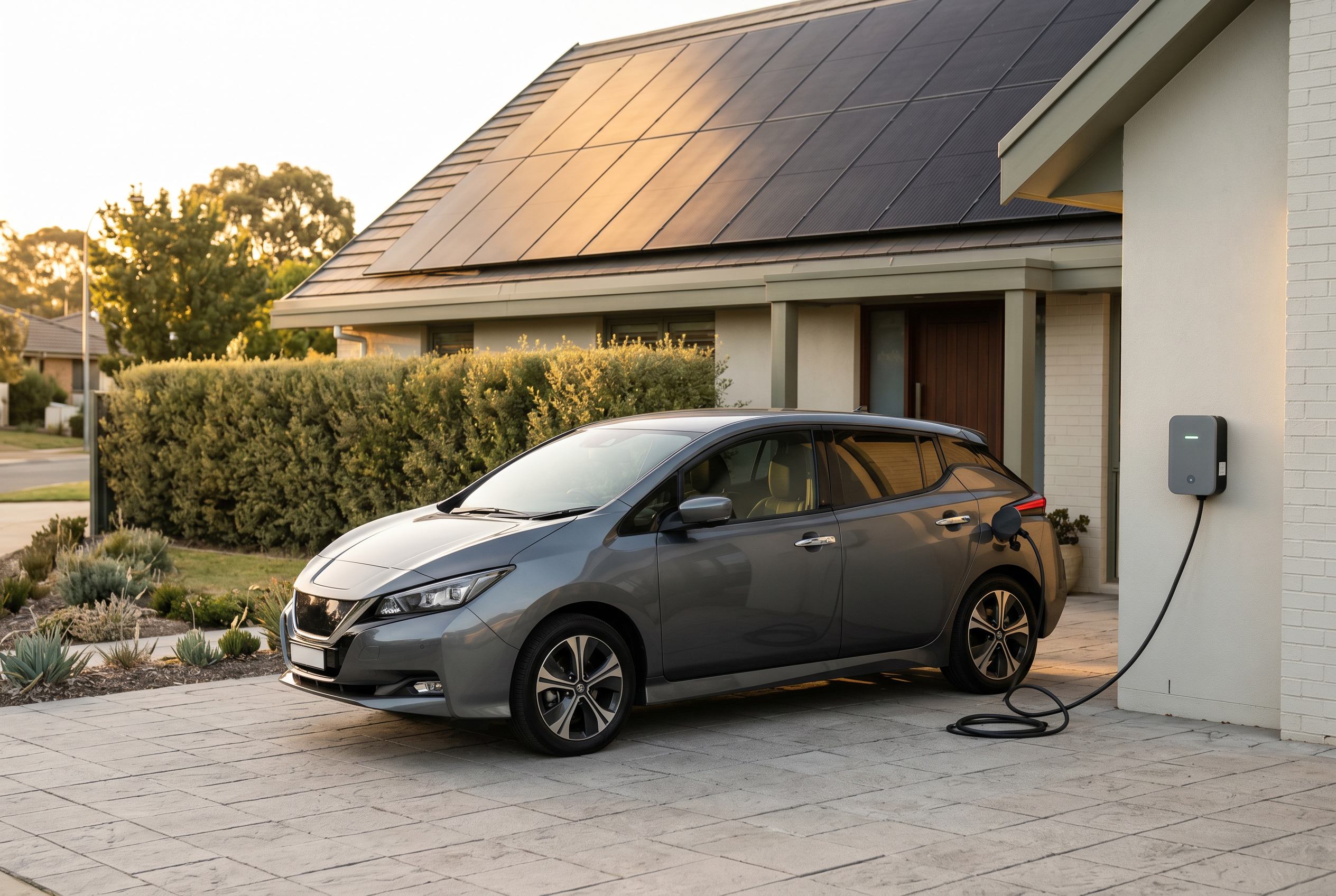
EV charging
An electric vehicle is the single biggest load most homes will ever add, which makes it the perfect partner for rooftop solar. Charging during daylight hours lets you fuel the car with electricity you generate yourself, sidestepping both gasoline costs and grid-supplied power.
The practical trick is timing. A typical Level 2 charger draws several kilowatts, so scheduling it for midday — or letting a smart charger follow your solar production — captures the most self-generated energy. Homeowners who combine an EV, a right-sized array and, where it pays off, a battery often see the strongest overall economics on this site, because every kilowatt-hour that goes into the car displaces fuel they would otherwise buy. When you size a system in our estimator, factoring in future EV charging is one of the smartest moves you can make.
FAQ
Better than most people assume. Solar cells respond to light rather than heat, so cold, clear winter days can be highly productive, and panels run more efficiently at low temperatures. Output drops while snow sits on the glass, but angled panels shed it quickly and annual yield estimates already factor winter losses in.
Across Canada the average residential system pays for itself in roughly 8.5 years, though the range runs from about seven to thirteen depending on your province, electricity rate, financing route and how much of your own production you use. After payback, panels typically keep producing for two more decades under standard warranties.
When you buy — with cash or a loan — you own the system, claim the rebates and keep all the savings, which delivers the strongest long-term return. With a lease or power-purchase agreement you pay little or nothing upfront and the provider owns the equipment; you save from month one but the lifetime benefit is smaller, and the agreement may need to be transferred when you sell the home.
Net metering lets your meter run backwards. When your panels produce more than your home needs, the surplus flows to the grid and you earn a credit; when you draw more than you generate, you use those credits first. Programs and credit values differ by province and utility, so net metering is one of the biggest factors in your final payback — and one we weigh in every comparison.
Most programs require that you own the home, use a certified installer and meet basic equipment standards; some, like the federal Canada Greener Homes path, may ask for an energy assessment. Provincial rebates layer on top with their own rules and intake windows. Our provincial guides flag which programs are open, waitlisted or closed so you can plan around the timing.
We earn affiliate commissions from featured partners, but that money never buys a better score. Ratings are built from verified installer data, warranty terms, panel efficiency and real customer reviews using a transparent methodology, and any paid placement is disclosed as such. Editorial scores and safety warnings stay independent of commercial relationships.
Newsletter
Get curated updates on new rebate announcements and provider promotions across Canada, straight to your inbox.
Contact
Have a question about a provider, a rebate or your savings estimate? Send us a note and our editorial team will get back to you. We are an independent publisher, so we will never pass your details to a salesperson without your say-so.
We use cookies to improve your browsing experience and analyse site traffic. See our Cookie Policy.